Can phones help older folks enjoy restaurant conversation again?
Submitted by brad on Mon, 2019-04-01 13:06
Topic:


Brad Templeton is Chairman Emeritus of the EFF, Singularity University founding computing faculty, software architect and internet entrepreneur, robotic car strategist, futurist lecturer, photographer and Burning Man artist.
This is an "ideas" blog rather than a "cool thing I saw today" blog. Many of the items are not topical. If you like what you read, I recommend you also browse back in the archives, starting with the best of blog section. It also has various "topic" and "tag" sections (see menu on right) and some are sub blogs like Robocars, photography and Going Green. Try my home page for more info and contact data.

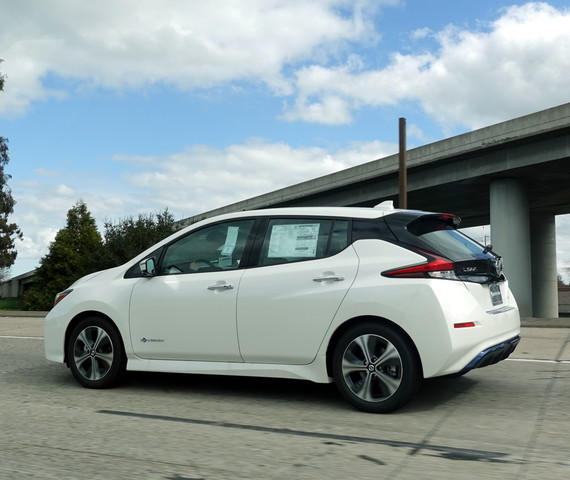
This month we took an electric car road trip in the California desert to see the flowers. The idea of a road trip in the desert with an electric car would have been crazy not too long ago. Now it's becoming possible, soon it will be easy, but there's still lots to learn.

There are over 100 companies out there developing small VTOL "flying cars." And they're all making different decisions on several important design choices. I've written a breakdown of the key design decisions and what they mean, which forms a sort of taxonomy.
This week I am at the Nvidia GPU Technology Conference, which has become a significant conference for machine learning, robots and robocars.
Here is my writeup on a couple of significant announcements from Nvidia -- a new simulation platform and a "safety force field" minder for robocar software, along with radar localization and Volvo parking projects.

Earlier, I wrote about what happens when we put renewables on the grid and how complex it is.
A minor local spot of interest here is the spillway for the Lake Berryessa reservoir. Unlike most spillways, this one drains from the top on the interior of the lake. It is called a "Morning Glory" or "Glory Hole" spillway. From time to time, the lake level gets above that spillway, sometimes far above, and it creates something that looks completely wrong, like a hole in the fabric of space time. So we went up to photograph it.

Yesterday, it was announced the state attorney in Arizona will not press criminal charges against Uber around the fatality a year ago in Tempe. It is still not decided if charges will apply to the safety driver.
I have a Forbes.com piece on the nature of fault in the Uber crash:
The question every electric car buyer asks is how convenient charging will be, and how much will the range limit my travel - known as "range anxiety."

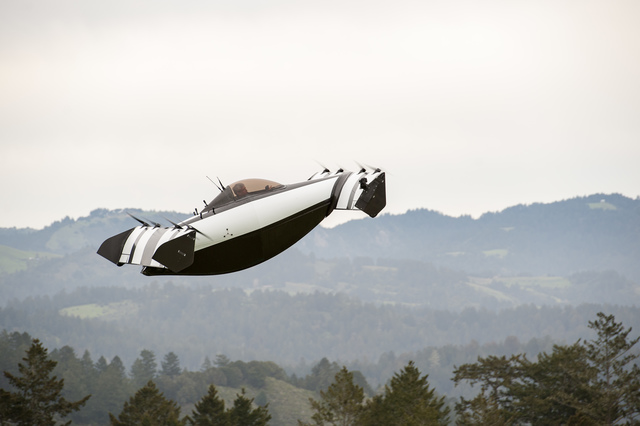
Readers all know I love robocars and write about the tremendous effect they will have on our lives and cities. But a new technology, running about a decade behind but now real, is coming which could have even more dramatic effects, the e-VTOL or "flying car."
Of course, just after releasing my review of Tesla Autopilot they announced new pricing and features, with some explanation of what "full self drive" is.
For now, it turns out it's still driver assist, but on city streets. It's an interesting question if that's a good idea. I offer some additional analysis and updates.
Read my Update to Tesla Autopilot Review
The more you travel the less luggage you want to take. Our world where a laptop and phone can almost do it all, combined with the cloud, is helping. But sometimes you have to bring stuff in checked suitcases.
When you do road trips, especially outside the USA, you learn that most cars don't have the trunk space of North American cars, not even close. You're lucky to get two rigid body suitcases in the typical small car, 3 needs a car with special capacity.

There are many reviews of the Tesla Autopilot, and when I reviewed the Model 3 I left off Autopilot for a more thorough review.

We all love open source. But the usual rules of open source break down if every vehicle deployed on the road has to have gone through a complex and expensive safety certification process. You can't just download, patch and go.
So we need other solutions to allow the world of the tinkerer/hacker and the innovation and superior function it can provide.
Since the famous Trolley Problem has come up again recently thanks to the MIT Moral Machine, it's time for what seems to be an annual debunking of the notion.
This time, to illustrate the pithy headline above, I tell the story of why the hypothetical situation is even rarer than people imagine because of the way braking and steering systems are designed on robocars, and how their driving patterns will be designed to minimize risk.