


Paris Votes To Discourage SUVs, But Would Easier Renting Help?
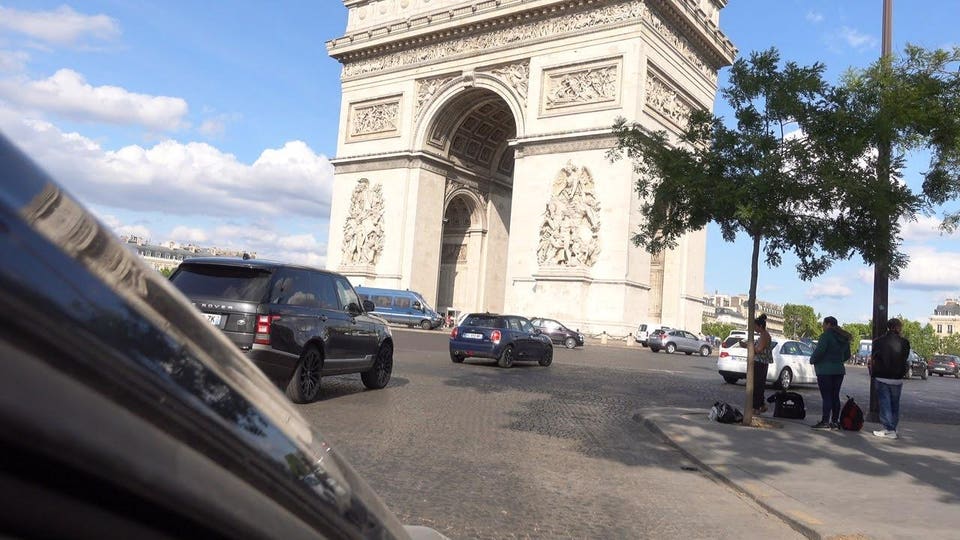
The City of Paris recently had a public vote on whether to discourage heavy SUVs in the city by tripling the price of parking. Private vehicles over 1.5 tons will now pay $19/hour to park in central Paris, which could amount to hundreds per day. The charge won’t apply to Paris residents and work vehicles, and electric cars can be heavier. SUVs now represent 40% of vehicle sales in Paris, a surprising number considering how much smaller French roads and parking spaces are compared to the USA. But might they get even fewer buyers of heavier vehicles if it were truly easy and affordable to rent them when needed?
The turnout in the vote was very small — less than 7% of the population, and it passed with 55% of the vote, which means only about 40,000 of Paris’ million-plus population actually supported it. The basic tenet is true—these big vehicles burn more fuel and create more crash risk. In the USA, it seems sometimes there are barely any sedans left on the road. They offer more internal space, a better view, easier entry, and sometimes ability for towing and off-roading, though mostly they travel to the store for snacks. Car buyers want a vehicle that can meet all their needs, and the SUV fits the bill.
The coming robocar revolution offers the potential to let people summon cars on demand. That means the car can be tailored to the trip. If it’s one person (80% of trips) it can be a small, narrow city car for 1-2 people. The larger vehicles can be reserved for groups. The pickup trucks can come only when cargo needs to be moved. The SUVs only when going on a ski trip.
That’s possible when people start replacing cars with robotaxi service, but today there could be potential to encourage people to have a smaller, efficient car for their personal travel around town if they know they can access an SUV or pickup truck those more rare times they need it. Standing in the way are several factors:
- It’s actually quite hard to find companies that allow such rentals. Only Enterprise and U-Haul allow towing, but at high prices. Almost nobody allows travel onto even dirt roads for light off-roading. (Rentals for serious off-roading are available, in ranges like $250-$400 per day.)
- Rental needs to be frictionless. That means you don’t travel out of your way to get or return the car, it’s close to your home, and there is zero paperwork—you typically just unlock the car with an app and go.
- Prices must be comparable to ownership. Today they tend to a fair bit harder.
There are several players trying to do more frictionless car rental, or in this case more commonly called car sharing. Some feature pickup trucks, vans and SUVs, though they are more marketed at urban residents who don’t own cars than supplemental services. Some allow one-way rental to another part of their service area, others only allow you to return the vehicle to where it came from. A service to let you switch cars needs to be instant and have a place for you to leave your existing car during the rental, unless it’s right near your home.
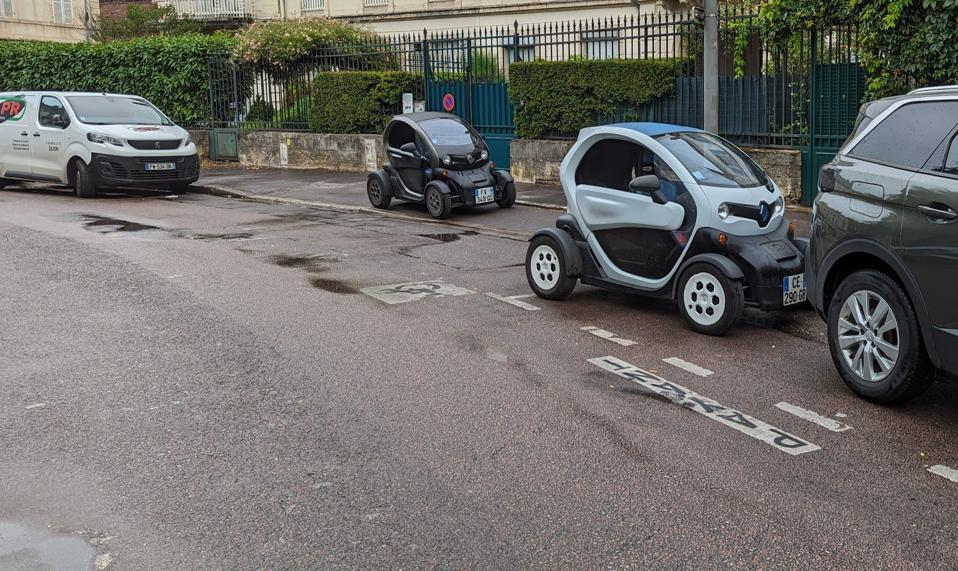
Also interesting is car rental with delivery. Many car rental companies offer delivery but it’s actually a very slow process, where they drive to your location, take you to the rental depot and do paperwork, then do that again in reverse. At the opposite end are companies that deliver cars with human and remote drivers. A remote driver service named Vay just opened up in some areas of Las Vegas. Eventually such services may feature cars that can drive themselves to deliver themselves to you.
While there are many owners of SUVs and pickups who very rarely use them to do more than a car, it’s not clear if they are willing to dedicate to that idea, and own a small car while using a rental for those times they tow or haul cargo or go on unpaved roads. The latter tend to be expensive rentals, because of risk of damage or wear on the vehicle, though there are many types of off-road travel. Dedicated off-roading (known as overlanding or rock climbing) won’t be possible in an affordable rental, but use of dirt roads, forest service roads and limited rough roads need not be so expensive. Modern cars can track exactly how much they do of that, even know if they take any hits.
Some might think that making SUVs more available would only make things worse, better that people stay in their cars. But if they can avoid buying an SUV it can be a win. That urban trip is not just alone and short, it’s an ideal choice for an electric ride. Drivers who are afraid of electric cars worry how they will handle on road trips, and while they do well there and it’s going to get better, the fear remains, and it can affect sales.
Of course, these rental SUVs would not pay the fat parking charges added in Paris, another reason to support them They also won’t be going into the parking lots, where they often take up 2 spaces (even by accident, as the spaces are very small.) Perhaps bringing that to an end is worth it.
Originally published at Forbes.com in Paris Votes To Discourage SUVs, But Would Easier Renting Help?. Copyright © 2024 by Brad Templeton.


Add new comment