


Waymo To Launch Robotaxi In Miami In 2026 With Logistics Partner Moove
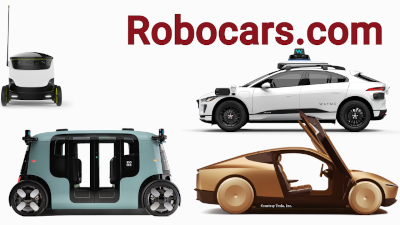
Waymo, Alphabet’s robotaxi unit, has announced plans to deploy its robotaxis and “Waymo One” ride-hail service in Miami, testing in 2025 and opening to riders in 2026. In Miami, and also in the first Waymo city, Phoenix, they will partner with Nigerian mobility enabler Moove to manage elements of local logistics, including depots, fleet management and charging of the electric Jaguar i-Pace 5th generation Waymo robotaxis. This differs from Atlanta and Austin, where Waymo plans to begin service partnering with Uber for both ride hail and local logistics.
Moove, founded in Lagos, today focuses on financing of cars for ride-hail, in a “drive to own” model. While Moove does offer things like cleaning and roadside assist to drivers, as well as charging stations in the few cities they support electric cars, the operation of depots and some other aspects of fleet management appear to be a new business for the company. Moove will start managing Waymo’s local facilities in Phoenix in 2025 before building new ones in Miami.
Uber, Waymo’s other logistics partner, is widely known for its ride-hail app and service, but it also had minimal experience in fleet management, depots and charging. While the robotaxi world is definitely in a “everybody is learning” period, it has been interesting to see Waymo selecting these companies instead of firms like rent-a-car companies who have deeper experience in fleet management. Waymo says it wants to build an ecosystem of partners, and their current Uber partnership for logistics will be in Atlanta and Austin, at least for now.
Operating a robotaxi service requires a lot of on-the-ground local logistics. Waymo will still do certain other aspects of local operation, like relations with local governments and first responders and rescue and crisis response with a more limited local staff. Waymo will map the city, adapt vehicles to its peculiarities and test and certify safety, as well as of course maintain the software and probably its own custom made hardware. Waymo will also do rider support and remote ops as they do today, presumably remotely. The local providers will do charging, general maintenance, cleaning and other non-robotaxi fleet operations. Waymo will of course own their vehicles—only Tesla has suggested they want to sell Cybercabs in small fleets to entrepreneurs.
It makes sense for robotaxi operators to contract with local facilities for local logistics. Deploying their own in each city requires lots of resources and it’s not the natural talent of a company like Waymo, or most other players. (When Amazon/Zoox enters the game, you might see them make use of the experience which Amazon’s gained putting shipping centers and running delivery fleets in most cities. Zoox’s first depot in Las Vegas is attached to an Amazon warehouse.)
This is an interesting cap for some deep history. In 2012, Florida state senator Jeff Brandes pushed for a pioneering law to enable robocars in the state. Google had been working with officials in Nevada and California to pass the world’s first laws, but Brandes initiated the process on his own and reached out to Google to learn what was needed. There are already some public deployments in Florida, such as shuttles in Jacksonville, but a Miami robotaxi service will be a vindication of his work. (Brandes has left government and today runs the annual Florida Autonomous Vehicle conference, at which I have been keynote speaker a few times.) Miami is a good robotaxi market, with no snow and manageable streets, though it is famous for daily heavy rain and occasional very severe weather events all the way up to hurricanes.
Waymo will need to develop protocols for things like emergency storm evacuation for Florida. Waymo previously tested in Miami to learn about its weather. While they can get away without handling this complex problem at the start, over time it’s not optional in a place like Miami if robotaxi services start causing people to give up private car ownership. While small they can punt to transit or taxis, but not forever. At present Waymo just states that they focus on safety even in extreme weather.
Miami service will use the Waymo One ride-hail app, which is pretty similar to Uber in function. That’s a departure from Waymo’s use of only the Uber app in Austin and Atlanta.
Originally published at Forbes.com in Waymo To Launch Robotaxi In Miami In 2026 With Logistics Partner Moove. Copyright © 2024 by Brad Templeton.


Add new comment