


Robocars
The future of computer-driven cars and deliverbots

Tesla Autopilot repeats fatal crash - do they learn from past mistakes?
Submitted by brad on Fri, 2019-05-17 10:08
Elon Musk's war on LIDAR: He hates it, everybody else loves it. Who's right?
Submitted by brad on Mon, 2019-05-06 10:32
Tesla's use of the phrase "beta test."
Submitted by brad on Sun, 2019-05-05 15:05Some of the reaction to the story of the lawsuit against Tesla came from Tesla's declaration that Autopilot is a product in "beta test."
I don't think that's actually true. I think it's a misuse of that phrase by Tesla to communicate something that is true -- "This product isn't finished, expect it to have bugs."
The problem is that almost no software product is ever "finished." And even once finished, they almost always have bugs.
Topic:
Tesla sued over fatality but probably will prevail, but other issues are exposed.
Submitted by brad on Fri, 2019-05-03 11:47
Tesla's "Shadow" driving and how they test Autopilot
Submitted by brad on Mon, 2019-04-29 11:06
Tesla's Robotaxi Economics
Submitted by brad on Tue, 2019-04-23 11:42
Tesla reveals impressive new details on autonomy plans
Submitted by brad on Mon, 2019-04-22 16:22
Podcast featuring the future of cities
Submitted by brad on Fri, 2019-04-19 10:02I don't do a lot of podcasts, though am curious as to whether people prefer to hear them compared to reading things. They make more sense for debates or being interactive.
Nonetheless, here's one I did recently, hosted by a new organization called Pivot Factory. We covered some history and a lot of my favourite topics, and had a particular focus on the future of the city, which I write about here but haven't done a recent cohesive essay on.
Topic:
Is there safety theatre among robocar developers?
Submitted by brad on Thu, 2019-04-18 13:53A recent essay by Robbie Miller, who blew the whistle at Uber about their bad practices, accuses the industry at large of "safety theater" and driving too many unsafe miles. He's not wrong about some of his accusations, but there does need to be some risk taken. I outline the reasoning in this new Forbes.com article:
Topic:
Tags:
Tesla's plan for robotaxi service with off-lease cars is brilliant
Submitted by brad on Fri, 2019-04-12 11:25Report from first person to give up their car for a robotaxi
Submitted by brad on Thu, 2019-04-11 11:23
I'm back from another electric car road trip -- more later on that -- but here's a story where I provide a report from a Waymo One user on how he sold one of his family's two cars and replaced it with robotaxi service. He's an early adopter, but he helps us examine just what some of the issues are around getting people to do that.
Topic:
Tags:
Government Testing Labs Can't Certify Robocar Safety
Submitted by brad on Thu, 2019-03-21 11:13
Nvidia simulator and Safety Force Field and other news from GTC
Submitted by brad on Wed, 2019-03-20 10:05This week I am at the Nvidia GPU Technology Conference, which has become a significant conference for machine learning, robots and robocars.
Here is my writeup on a couple of significant announcements from Nvidia -- a new simulation platform and a "safety force field" minder for robocar software, along with radar localization and Volvo parking projects.
Topic:
Tags:
No criminal charges for Uber in fatality
Submitted by brad on Wed, 2019-03-06 11:37
Yesterday, it was announced the state attorney in Arizona will not press criminal charges against Uber around the fatality a year ago in Tempe. It is still not decided if charges will apply to the safety driver.
I have a Forbes.com piece on the nature of fault in the Uber crash:
Topic:
Tags:
Where's my flying car? Coming in for a landing...
Submitted by brad on Mon, 2019-03-04 10:09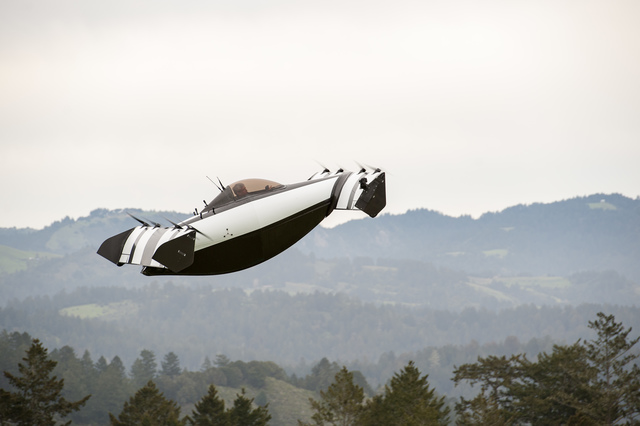
Readers all know I love robocars and write about the tremendous effect they will have on our lives and cities. But a new technology, running about a decade behind but now real, is coming which could have even more dramatic effects, the e-VTOL or "flying car."
Topic:
Tags:
Autopilot review Update
Submitted by brad on Fri, 2019-03-01 15:19Of course, just after releasing my review of Tesla Autopilot they announced new pricing and features, with some explanation of what "full self drive" is.
For now, it turns out it's still driver assist, but on city streets. It's an interesting question if that's a good idea. I offer some additional analysis and updates.
Read my Update to Tesla Autopilot Review
Topic:
Tags:
The robocars.com review of the Tesla Autopilot
Submitted by brad on Wed, 2019-02-27 09:38
There are many reviews of the Tesla Autopilot, and when I reviewed the Model 3 I left off Autopilot for a more thorough review.
Topic:
We need a world where open source robocars are possible
Submitted by brad on Mon, 2019-02-25 12:49
We all love open source. But the usual rules of open source break down if every vehicle deployed on the road has to have gone through a complex and expensive safety certification process. You can't just download, patch and go.
So we need other solutions to allow the world of the tinkerer/hacker and the innovation and superior function it can provide.
Topic:
Tags:
Ethics professors solve the "Trolley Problem" by debating switching tracks to kill 1 person vs. 5. Engineers solve it by fixing the brakes.
Submitted by brad on Thu, 2019-02-21 11:08Since the famous Trolley Problem has come up again recently thanks to the MIT Moral Machine, it's time for what seems to be an annual debunking of the notion.
This time, to illustrate the pithy headline above, I tell the story of why the hypothetical situation is even rarer than people imagine because of the way braking and steering systems are designed on robocars, and how their driving patterns will be designed to minimize risk.
Topic:
Tags: